

acid etched mirror glass
Understanding the Pricing of 12% Gate Valves Gate valves are essential components in various industrial applications, particularly where a straight-line flow of fluid is necessary. They are designed to either allow or restrict the flow and are primarily used in systems that require a fully open or fully closed position. Among the various types of gate valves available, those with a specialized design, such as the 12% gate valve, have garnered attention for their unique features. What is a 12% Gate Valve? The term 12% gate valve typically refers to a specific design or performance specification of a gate valve that allows a 12% opening during operation. This feature can be particularly important in systems where precise control of flow is necessary, as well as in applications requiring significant pressure regulation. The design of these valves ensures durability and reliable performance, making them suitable for a variety of industrial settings, including water treatment facilities, chemical processing plants, and oil and gas operations. Factors Influencing Price When considering the price of a 12% gate valve, several factors come into play 1. Material of Construction 12% gate valves can be made from various materials, including stainless steel, brass, cast iron, and PVC. The choice of material significantly affects the cost, with stainless steel typically being the most expensive due to its corrosion resistance and durability. 2. Size and Diameter The size of the valve also plays a crucial role in its pricing. Larger valves generally require more material and more complex manufacturing processes, leading to higher prices. 12 gate valve price 3. Manufacturing Standards Valves that meet specific industry standards or certifications (such as ANSI, API, or ASTM) usually come with a premium price tag. This factor ensures that the valve has undergone rigorous testing and complies with safety regulations. 4. Design Complexity A more complex design may involve additional engineering and manufacturing costs. Features such as automated controls, special sealing mechanisms, or customized fittings can increase the overall price. 5. Market Demand and Supply The dynamics of market demand and supply can heavily influence pricing. For example, during times of increased industrial activity or supply chain disruptions, prices may rise due to high demand. 6. Brand Value Established manufacturers with a reputation for quality often charge more for their products. While it may be tempting to opt for cheaper alternatives, investing in a reputable brand can lead to better long-term performance and reliability. Typical Price Range While prices can vary widely based on the factors mentioned above, a standard 12% gate valve may generally fall within the price range of $50 to $500. Custom-designed or larger models could exceed this range, making it essential for buyers to assess their specific requirements before making a purchase. Conclusion In summary, understanding the price of a 12% gate valve involves evaluating various factors such as material, size, design, and market conditions. While determining the best option may require careful consideration of these elements, investing in high-quality valves is crucial for ensuring efficiency, reliability, and longevity in fluid control applications. By doing thorough research and selecting the right valve for your needs, you can optimize both performance and cost-effectiveness in your operations.
about
acid etched mirror glass
The Right Angle Ruler Tool An Essential Guide for Precision Work In the world of construction and crafts, precision is paramount. A slight miscalculation can lead to significant errors, potentially costing time, materials, and money. One tool that stands out for its ability to ensure accuracy is the right angle ruler. This simple yet versatile tool is essential for anyone involved in tasks that require precise measurements and angles. What is a Right Angle Ruler? A right angle ruler, often called a framing square or carpenter's square, is a tool used to measure and mark right angles (90-degree angles). Traditionally made of metal or plastic, it consists of two arms that form an L-shape. The longer arm, known as the body, typically measures around 24 inches, while the shorter arm, known as the tongue, measures around 16 inches. The distinct shape allows for straightforward and efficient marking of angles and lines on various materials, including wood, metal, and drywall. Versatile Applications The right angle ruler is not just for carpenters; it finds applications across various fields, including masonry, metalworking, and even in DIY home projects. It serves multiple purposes such as 1. Laying Out Frameworks In construction, the right angle ruler is essential for ensuring that frames for walls, doors, and windows are square. This foundational step is crucial for the structural integrity of any building. 2. Squaring Edges Whether you’re working with plywood or tiles, a right angle ruler helps ensure that cuts are straight and corners are square. 3. Marking Angles Beyond just right angles, many right angle rulers come with additional measurement markings which allow for quick layouts of various angles, helping users create more complex geometries . right angle ruler tool 4. Guiding Saw Cuts Using the ruler as a guide while sawing can improve accuracy and reduce waste, making projects more efficient. 5. Creating Layouts for Tile, Flooring, and More When installing tile or flooring, ensuring that your measurements are accurate from the start can save a lot of hassle later on. Features and Benefits When selecting a right angle ruler, certain features can enhance its usability - Material Metal rulers offer durability and a more rigid structure, while plastic options can be lighter and more portable. - Measurement Units Most right angle rulers feature both imperial and metric units, providing flexibility depending on the user's preference. - Built-In Markings Look for rulers with etched or printed measurements that won’t wear off over time, ensuring long-lasting usability. - Visibility A ruler with clear, contrasting markings is easier to read, especially in various lighting conditions. Conclusion In summary, the right angle ruler is an indispensable tool that every craftsman, builder, and DIY enthusiast should have in their toolkit. Its ability to ensure precise measurements and angles makes it vital for achieving high-quality results in construction and craftsmanship. With a better understanding of how to use this tool effectively, anyone can enhance their skills and produce work that stands the test of time. Investing in a reliable right angle ruler not only simplifies the process of layout and measurements but also builds a foundation for success in any project. As they say in the world of building, “Measure twice, cut once,” and with a right angle ruler, you’ll be on your way to measuring accurately every time.
-

High quality industrial productsagement

High quality industrial products
View Details -

Meet the diverse needs of customers

Meet the diverse needs of customers
View Details -

Strict quality control

Strict quality control
View Details -

Top raw materials

Top raw materials
View Details -

Trusted supplier

Trusted supplier
View Details
Our application


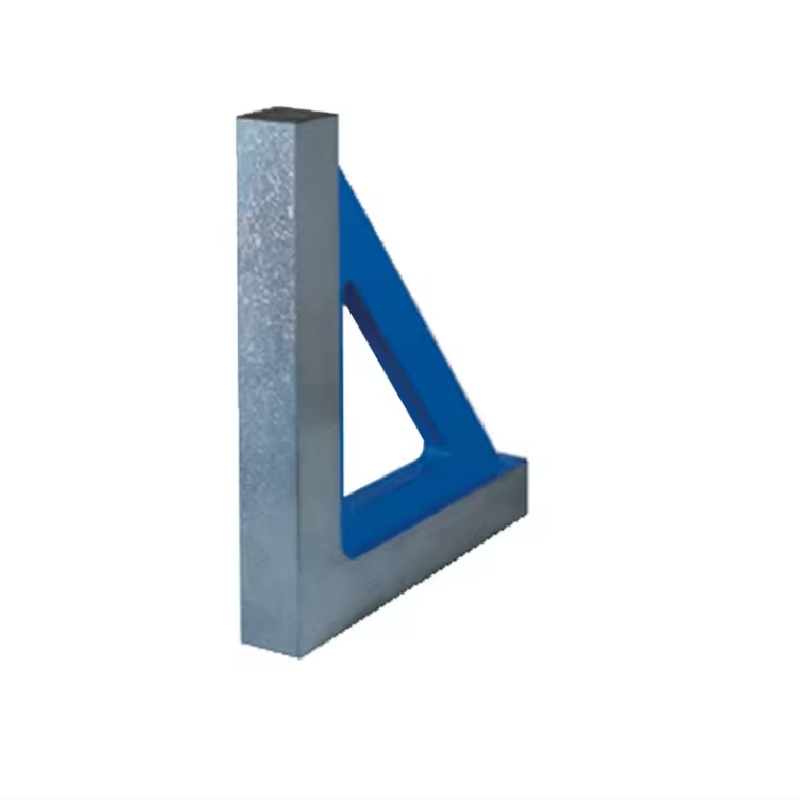

news and information
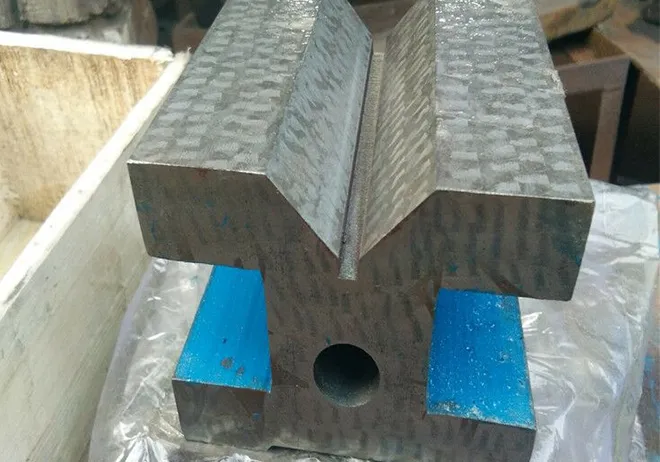
Using Ring Gauges for Accurate Measurement and Quality Control in Manufacturing
The Importance of Ring Gauges in Quality Control In the realm of manufacturing and quality control,
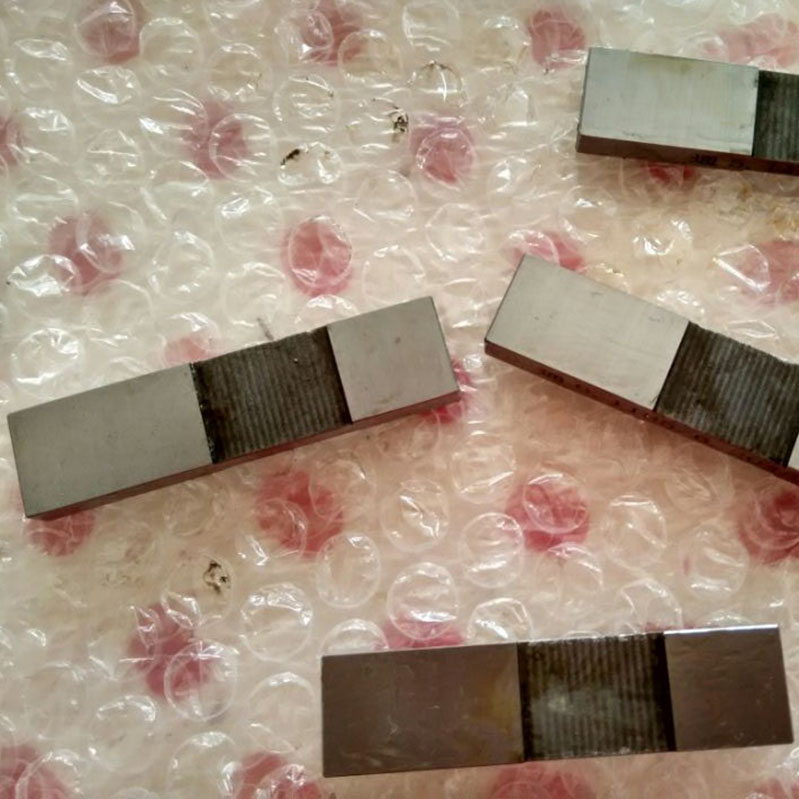
Využití paralelního pravítka v různých oborech a jeho výhody
Použití paralelních pravítek v praxi Paralelní pravítka jsou jedním z nejoblíbenějších nástrojů mezi
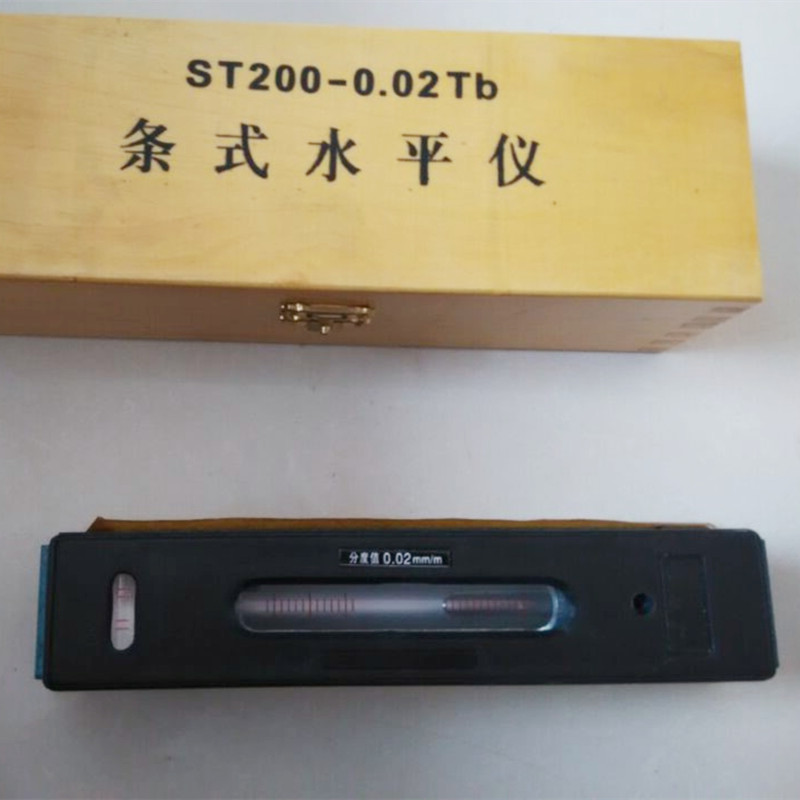
Versatile 3x4 Welding Table for Efficient Metal Fabrication and Projects
The Versatility of a 3x4 Welding Table In any metalworking shop, the tools and work surfaces can sig
 English